
Frayed or Snapped Garage Door Cable? Why It's Not a DIY Fix
September 19, 2026
Why Garage Door Springs Carry Such an Enormous Load
| Spring Type | Location | How It Works | Common On |
|---|---|---|---|
| Torsion | Above the door, on a metal shaft | Twists and uncoils to lift | Heavier, modern doors |
| Extension | Along the horizontal tracks | Stretches and contracts | Lighter, older doors |
Torsion springs are more durable and offer a more controlled lift. Extension springs are still widely used but tend to wear faster because of the lateral stress they absorb with each cycle.
Quick Answer: A frayed or snapped garage door cable means the wire that keeps one side of the door connected to its spring system has started giving out, usually from corrosion, a worn drum, a misaligned pulley, or simple wire fatigue after years of cycling. The cable itself isn't under tension — the spring behind it is — and that spring stores enough force to injure someone badly if the cable is disturbed the wrong way while it's connected. A door with a compromised cable can drop suddenly, swing crooked, or come off its track mid-cycle, which is why this is one of the few garage door repairs pros will tell you flatly to leave alone. Knowing what to look for and what it means buys you time to get it handled safely instead of finding out the hard way.
You're backing out for work and notice the door didn't sit quite right when it closed last night — a little crooked, maybe, or hanging lower on one side. Or you actually see it: a handful of thin steel wires poking out from the cable near the bottom bracket, kinked and splayed like a fraying shoelace. Maybe you already heard it happen — a sharp snap, and now the door won't budge, or it dropped a few inches before catching. None of those are things to shrug off until next week.
The cable is a small, unglamorous part of the system, easy to overlook next to the spring that gets all the attention. But it's doing constant work every time that door moves, and when it starts to fail, it rarely fails quietly. Here's what the cable actually does, why it frays or snaps in the first place, and why this is one repair worth handing to someone who does it for a living.
What the Cable Is Actually Doing Every Time the Door Moves
Cables are thin, tightly wound steel wire, and like anything made of many strands, they fail predictably. The most common cause is wear: thousands of cycles off the same drum groove fatigue the strands until a few break, showing up as fraying near the bottom bracket or pulley.
Corrosion speeds that process up considerably. A Front Range winter tracks in more moisture and road grime than most realize, with melting snow, slush, and de-icing salt pooling near the bottom bracket. That exposure pits the steel over a season or two, leaving cables thinner and more brittle than their age suggests.
Hardware problems play a role too. A chipped or worn drum groove lets the cable chafe against its edge, while a dry or seized pulley forces sharper bends than intended. A cable that's slipped its drum will bunch and grind against itself, and the failure stays gradual until it suddenly isn't.
The Warning Signs Worth Catching Early
A cable rarely goes from fine to fully snapped overnight. There's almost always a stretch of time where it's telling you something's wrong. Visible fraying near the bottom bracket, thin wires splaying outward instead of lying flat, is the clearest sign, meaning that section has already lost strength even if it hasn't broken. Rust or dark pitting along the cable is another, especially against how clean it looked when newer.
Beyond the cable itself, watch how the door behaves. One side feeling heavier when lifted manually, visible tilting or dragging as it travels, or a persistent crooked lean after several cycles all show a cable no longer carrying its share evenly. A grinding or scraping sound near the bottom brackets that wasn't there before is also worth a look, since that's often cable rubbing somewhere it shouldn't be.
Tip: Once a month, with the door closed, take a flashlight and look at both cables near the bottom brackets, following them up as far as you can see toward the drums. You're checking for splayed wires, rust discoloration, or any spot where the cable looks flattened, kinked, or bunched instead of running in one smooth, tight line. Catching fraying at this stage, before a strand actually parts, is the difference between a routine cable swap and a door that drops without warning.
What Actually Happens the Moment a Cable Lets Go
When a cable snaps outright, that side loses its connection to the spring system instantly, and what happens next depends on where the door was in its cycle. A door fully down might just sit slightly crooked, cable coiled uselessly at the bracket, annoying but not dangerous. A door partway open is riskier: the unsupported side can drop hard and fast, swinging sideways, bending track, cracking a panel, or knocking the door off its rails.
Even a cable that only frays creates ongoing problems. The imbalance forces the opener to work harder than it's built for, straining the motor and gears with every cycle, while transferring uneven stress to the rollers and track on that side and wearing them down faster than they should. What starts as a cable problem rarely stays one for long, since everything connected to it ends up compensating for a load it was never designed to carry alone.
Why This Isn't a Job to Take On Yourself
Here's the part that surprises people: the cable itself isn't dangerous to touch when the door is at rest and holding full tension normally. What's dangerous is everything it's connected to. The spring behind it, whether torsion or extension, stores enormous mechanical energy, and a failed or poorly handled cable can release that energy suddenly. Industry safety guidance is blunt: cables and bottom brackets should only be touched by a trained technician.
There's also a tooling and technique problem. A
proper cable replacement means winding or unwinding spring tension safely with the right bars and clamps, seating the new cable correctly in the drum groove, and rebalancing both sides so the weight is shared evenly again, not just swapping the broken piece and hoping for the best. Get any part wrong and you've traded a frayed cable for a door that's unpredictable in a much harder way to spot.
Warning: Never attempt to release, adjust, or replace a garage door cable, spring, or bottom bracket yourself, and never work underneath or reach into a door that's propped open with a compromised cable. A spring under tension that lets go unexpectedly can whip a cable, bracket, or bar hard enough to cause serious injury, and a door that drops while someone is working near it can cause severe harm. If you notice a frayed or snapped cable, keep the door closed and call a technician rather than troubleshooting further.
Torsion and Extension Cable Systems Aren't Quite the Same
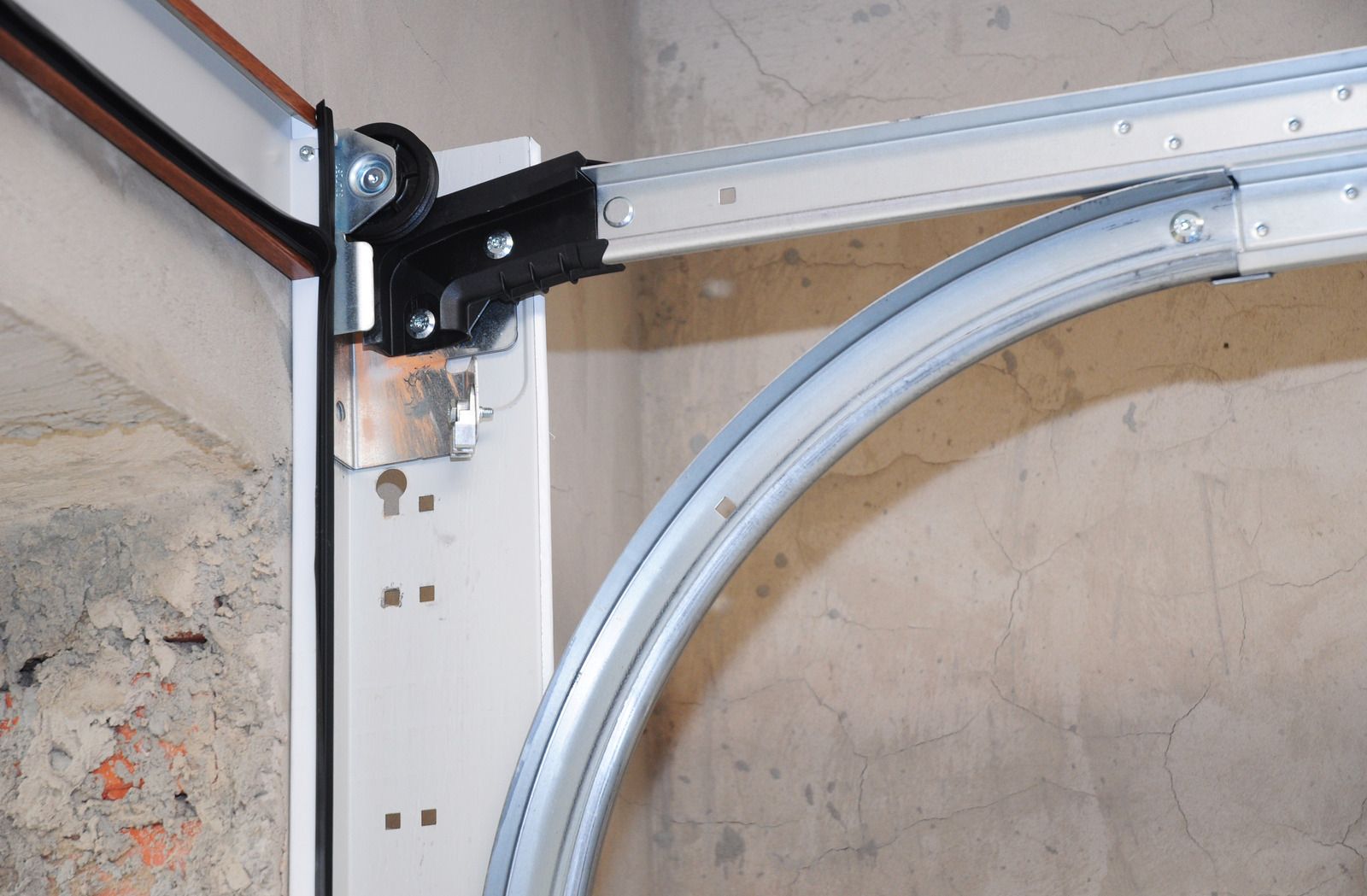
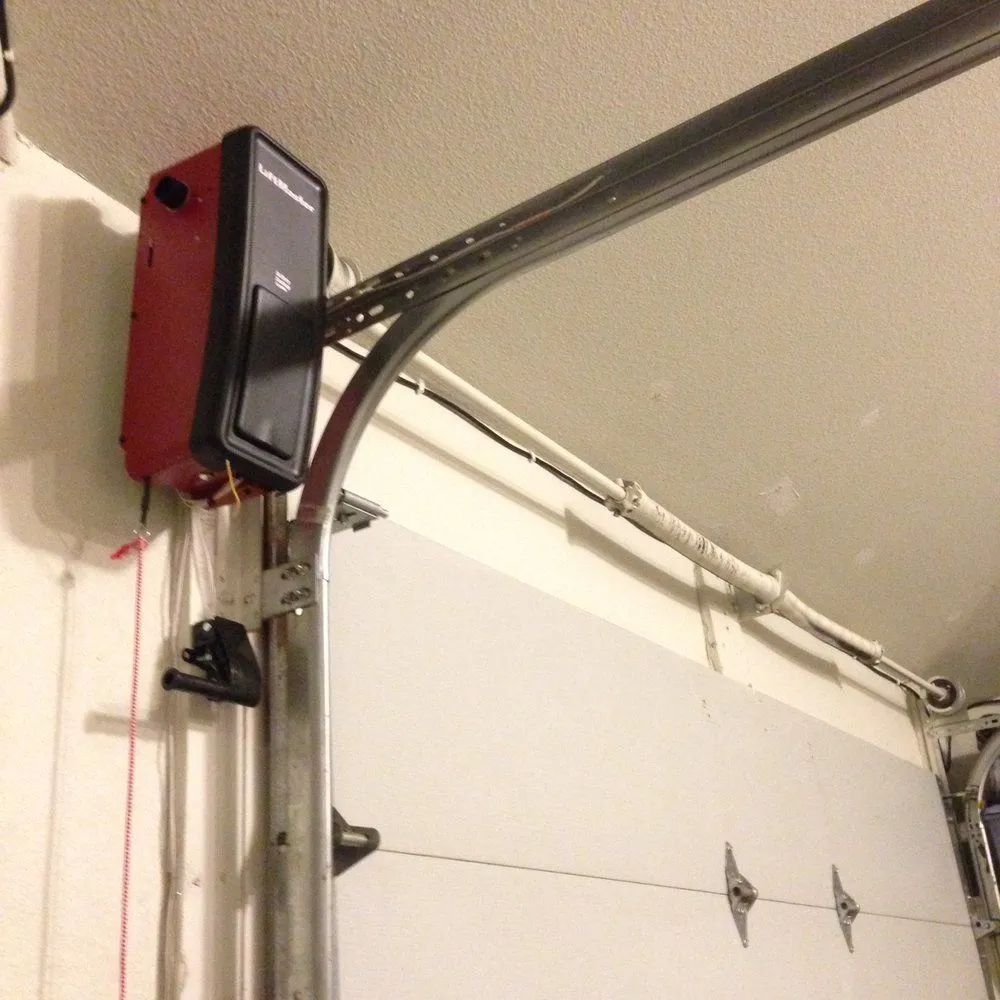
Most residential doors run one of two spring setups, and the cable's job looks a little different in each. On a torsion system, the spring sits on a shaft above the door opening, and the cable runs from the bottom bracket straight up to a drum mounted on that shaft — this is the more common setup on newer and upgraded doors, and it tends to distribute stress a bit more evenly across the cable's length. On an extension system, springs run alongside the horizontal tracks and stretch as the door opens, with the cable routed through pulleys along that same path. Extension systems also require a separate safety cable threaded through the spring itself, specifically so that if the spring breaks, it stays contained instead of becoming a projectile — a detail that's easy to miss on an older door if that safety cable was never installed or has gone missing over the years.
Neither system is worse on its own, but they fail a little differently, and a technician diagnosing a frayed or snapped cable needs to know which one they're working with before touching anything. A pulley alignment issue on an extension system, for instance, isn't the same fix as a worn drum groove on a torsion system, even though both can produce similar-looking fraying.
What a Professional Replacement Actually Involves
A proper cable repair starts with more than swapping the damaged piece. A technician inspects both cables, not just the one that's obviously failing, because a cable that's frayed on one side often means the other has seen the same years of cycling, moisture, and wear — replacing them as a matched pair keeps the door balanced instead of trading one worn cable for one new one. The drums and pulleys get checked too, since a groove that chewed through the old cable will do the same thing to the new one if it isn't addressed.
From there, the door gets rebalanced, meaning the spring tension is adjusted so the door holds its position at any height without the opener fighting it. That balance check matters as much as the cable itself, since a new cable on an out-of-balance door just shifts the strain somewhere else. A final test cycle, watching how the door travels start to finish and listening for anything that doesn't sound right, closes out the job.
Keeping Cables From Reaching This Point
Cables aren't a part most homeowners think to maintain, mostly because they don't require much — but a little attention goes a long way. Keeping the area around the bottom brackets clear of standing water, road salt residue, and debris cuts down on the corrosion that shortens cable life. A yearly tune-up that includes lubricating the drums and pulleys and checking cable tension catches early wear before it turns into a visible fray. And simply not overloading the door — hanging storage racks, shelving, or extra weight directly off the door panel itself — keeps the whole lifting system, cables included, working within the range it was built for.
Frequently Asked Questions
Can a frayed cable be repaired, or does it always need full replacement?
Visible fraying means replacement, not repair. Broken strands drop the cable's strength below its rated capacity, no way to patch it. Technicians replace it outright, swapping the matching cable too, so both sides wear evenly.
Is it safe to keep using the garage door if only one cable looks frayed?
It's safe briefly if the door still travels evenly, but not for long. Each cycle sheds more strands, straining the opener, rollers, and healthy cable. Stop using it if the door turns crooked or drags.
What's the difference between a cable snapping and a spring breaking?
Both can stop a door from lifting, but they differ. A broken spring means total loss of counterbalance, making the door extremely heavy. A snapped cable leaves one side hanging crooked or dropped, spring intact.
How long do garage door cables usually last before they need replacing?
Cable life varies with cycle count, moisture, salt exposure, and how well drums and pulleys are maintained. A daily-use door in a slushy garage wears faster than one used occasionally. A yearly check beats guessing.
Can a broken cable damage other parts of my garage door system?
Yes, quickly. A failed cable forces the opener to lift a door it wasn't built to move alone, straining motor and gears. It also loads rollers unevenly, and a hard drop can crack a panel.
Getting It Fixed the Right Way
A frayed or snapped cable is a small-looking problem attached to a system that stores a lot of force, and that combination is exactly why it doesn't belong on a homeowner's to-do list. Maybe it's corrosion from a hard Front Range winter. Maybe it's a worn drum groove, or just years of ordinary cycling finally catching up with the wire. Either way, the fix is the same: a trained technician who can safely manage the spring tension, replace the cable correctly, and rebalance the door so both sides are carrying their share again.
5280 Garage Doors
has spent 20
years handling exactly this kind of repair for homeowners across Littleton, CO, and a cable job gets the same full check every time — both cables, the drums and pulleys they ride on, and a full balance test before the job is called done. If you've spotted fraying, heard that snap, or noticed your door hanging crooked, get it looked at before the next cycle turns a compromised cable into a door that's come off its track.