
Garage Door Won't Open in a Cold Snap? Why Freezing Temps Stop It
July 17, 2026
Why Garage Door Springs Carry Such an Enormous Load
| Spring Type | Location | How It Works | Common On |
|---|---|---|---|
| Torsion | Above the door, on a metal shaft | Twists and uncoils to lift | Heavier, modern doors |
| Extension | Along the horizontal tracks | Stretches and contracts | Lighter, older doors |
Torsion springs are more durable and offer a more controlled lift. Extension springs are still widely used but tend to wear faster because of the lateral stress they absorb with each cycle.
Quick Answer: When a garage door won't open in a hard freeze, it is usually because the rubber bottom seal froze to the concrete, the lubricant on the rollers and tracks thickened into a paste, the metal parts contracted and bound up, or a tired spring finally lost its lift in the cold. Openers make it worse: a chain or belt drive is not built to muscle a door that has extra resistance, so it will strain, reverse, or stop partway. The safe move is to figure out which of those is happening before you force anything, because forcing a stuck door can rip a seal, burn out an opener, or hide a failing spring.
You slap the wall button on the coldest morning of the year, the opener growls, and the door barely twitches. Or it lifts an inch, thinks about it, and drops back down. Maybe it opened fine yesterday when it was thirty degrees warmer. Now you are standing in the cold with your car trapped and a door that has decided today is not the day.
A garage door that quits in a cold snap is one of the most common calls a door company gets all winter, and it is rarely a mystery once you know what the cold does to the parts. A garage door is a big mechanical system of steel, rubber, grease, and tension, and every one of those materials behaves differently when the temperature drops below freezing. The good news is that most of these cold-weather stalls trace back to a short list of causes, and knowing which one you are looking at tells you whether it is a two-minute fix or a call for a technician. Here is what actually happens when the mercury drops, and why forcing the door is the one thing you should not do.
The Bottom Seal Froze to the Concrete
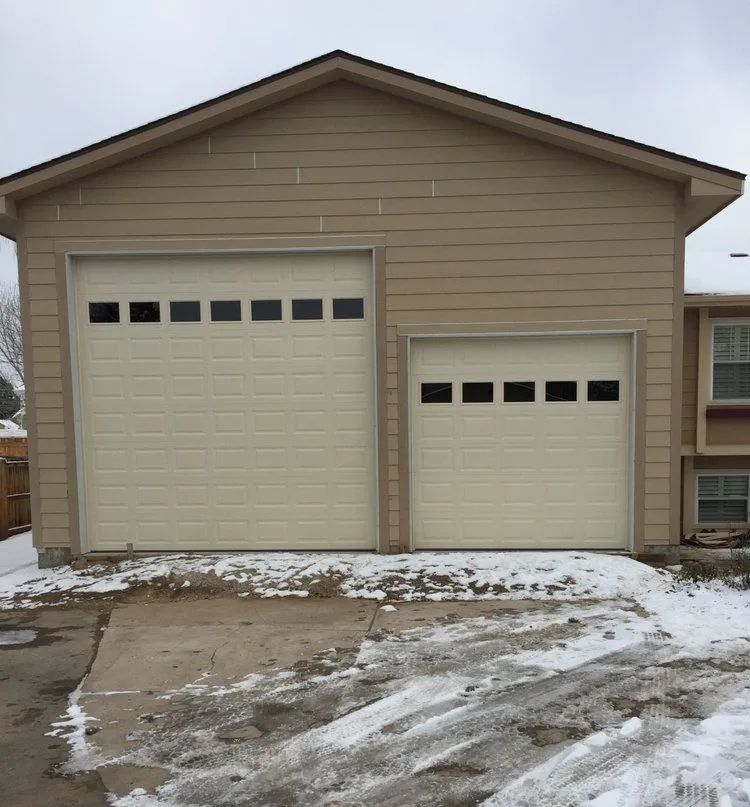
The frozen weatherseal. The single most common reason a door refuses to lift after a cold, wet night is the simplest one: the rubber seal along the bottom of the door froze solid to the driveway. When snow melts, rain blows in, or condensation collects at the threshold and then the temperature drops, that water freezes and glues the flexible bottom seal to the concrete. The opener pulls, the top of the door wants to move, but the bottom is locked in ice.
This is worth ruling out first because it looks alarming and is usually harmless. If you force it, though, you can tear the seal right off the door. Once that weatherstrip is ripped, you lose the barrier that keeps snow, cold air, and drifting debris out of the garage, and now you have a second problem on top of the first. The right response is patience and gentle heat, not muscle. Warm (not boiling) water poured along the frozen edge, or a hair dryer worked along the seam, will release the ice without damaging the rubber. Once it lifts, clear and dry the threshold so it does not simply refreeze the next night.
One note specific to steel doors: skip the rock salt and ice-melt granules on or right against the door itself. Ice melt is corrosive to steel and can leave you with rust streaks and pitting where the seal meets the panel. Clearing snow away from the base of the door before it melts and refreezes is a better habit than dumping de-icer on it.
The Grease Turned to Molasses
Thickened lubricant and hardened grease. Every roller, hinge, bearing, and track depends on proper lubrication for smooth movement. Freezing temperatures thicken old lubricant and harden grease, creating extra resistance that makes the garage door feel heavy, move unevenly, hesitate, or stop midway instead of operating smoothly during normal winter use.
A garage door that worked perfectly in autumn may struggle during winter because hardened lubricant increases friction throughout the moving parts. Cleaning away old residue and applying a quality silicone-based garage door lubricant restores smooth operation, reduces wear, and helps the system perform reliably in freezing temperatures.
Avoid using WD-40 as your primary garage door lubricant because it acts mainly as a solvent and water displacer, removing protective lubrication instead of providing lasting protection. Silicone-based garage door lubricants are the better choice, and a professional tune-up ensures every component receives the correct treatment.
Tip: Before you assume the worst, run one quick test. With the door closed, pull the opener's manual release cord and try to lift the door by hand. If it glides up smoothly and stays balanced, your hardware is fine and the problem is the opener's settings or a frozen seal. If it feels extremely heavy or will not budge, stop, and treat it as a spring or hardware issue for a pro. That single test tells a technician half of what they need to know before they arrive.
Steel Contracts and Everything Gets Tighter
Contracting metal parts. Metal naturally shrinks as temperatures fall, and every spring, roller, hinge, and track contracts slightly during freezing weather. These tighter clearances increase friction throughout the garage door system, making movement slower and placing additional strain on parts that were already beginning to wear.
Cold mornings often bring grinding, squealing, or popping sounds because contracted metal parts and tighter clearances create extra friction. While temperature alone rarely stops a healthy garage door, it can expose worn rollers, dry bearings, or misaligned tracks, turning minor issues into noticeable operating problems.
A Tired Spring Finally Gives Out in the Cold
Springs at the end of their life. Cold weather does not wear out garage door springs, but freezing temperatures often reveal springs already weakened by years of use. As steel becomes more brittle in the cold, an aging spring may lose lifting power or break after reaching its expected service life.
When a spring fails, the garage door becomes extremely heavy because the counterbalance is gone. The opener may strain or stop, and lifting the door by hand can be dangerous. Spring replacement requires specialized tools and should always be handled by an experienced garage door technician.
Warning: Do not keep hammering the wall button on a door that will not move, and never force a stuck door with your hands or by driving into it. Repeatedly running the opener against a frozen or bound door burns out the motor, strips gears, and can snap a chain. Forcing a door that is stuck because of a spring problem is worse: an unbalanced door can drop suddenly and cause serious injury. If the door will not open with normal effort, stop, find out why, and leave it closed until it is safe.
The Opener and Sensors Get Confused Too
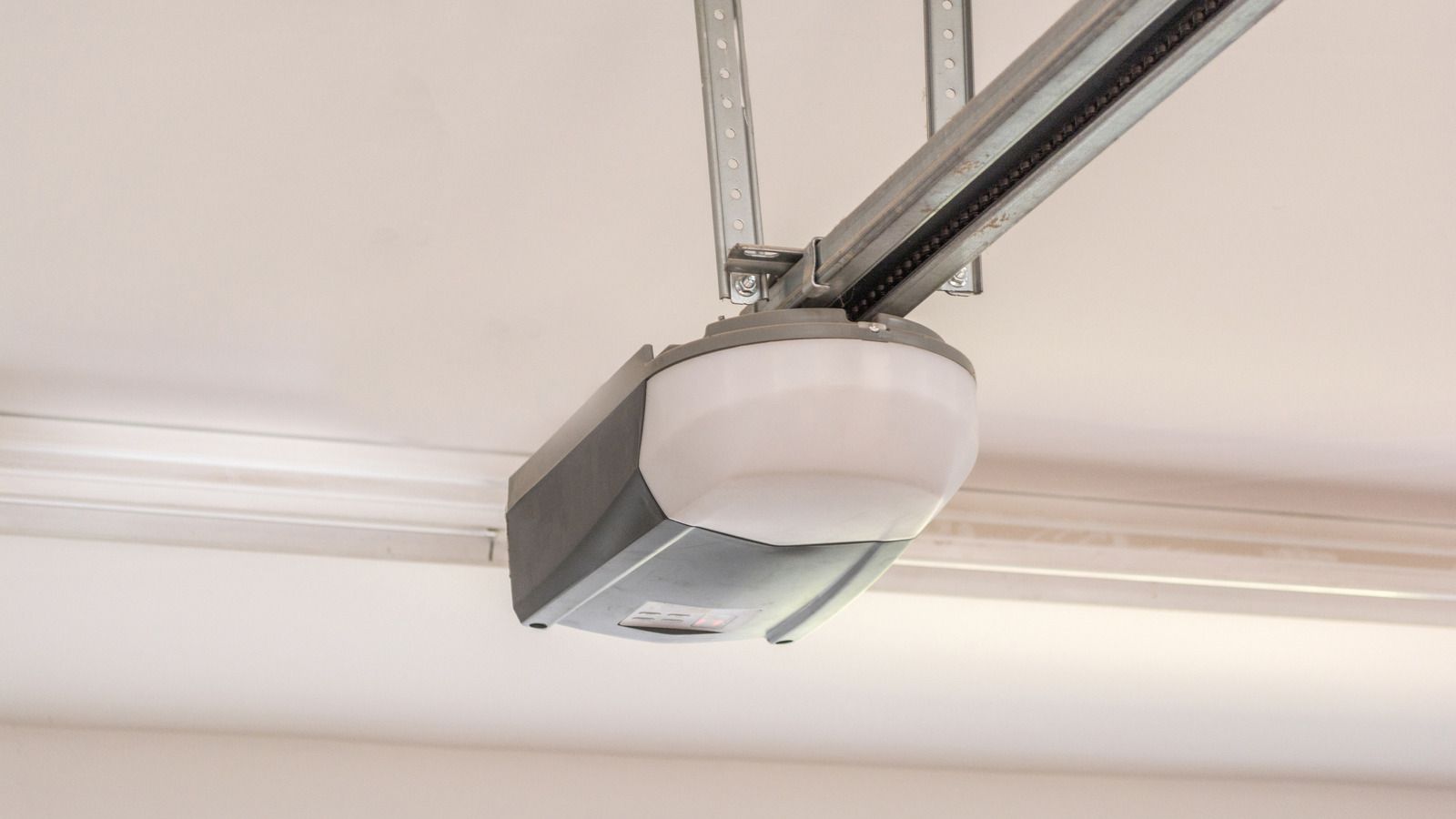
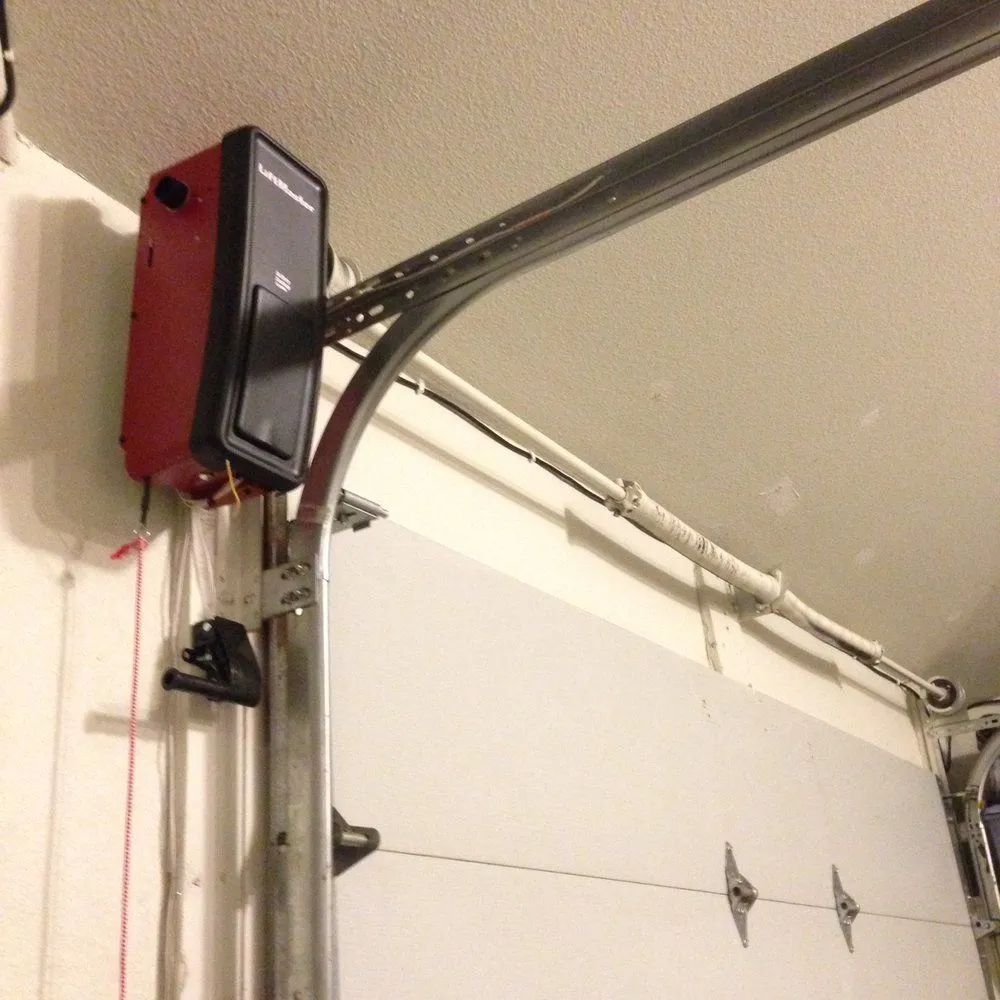
Force settings and cold-shy safety sensors. Cold weather increases resistance from stiff lubricant and contracted metal, causing the garage door opener to reach its force limit sooner. Instead of pushing harder, the opener may stop or reverse because it interprets the added resistance as an obstruction requiring safety protection.
Winter conditions also affect photo-eye safety sensors near the floor. Frost, condensation, dirt, slush, debris, or accidental bumps can block or misalign the sensors, causing the garage door to reverse or refuse to close until the lenses are cleaned and properly aligned again.
Avoid increasing the opener's force setting to overcome winter resistance. If the door binds or becomes unbalanced, forcing it open defeats an important safety feature without fixing the mechanical problem. Professional inspection identifies the underlying issue and restores safe, reliable operation during winter.
Frequently Asked Questions
Why does my garage door only stick when it's below freezing?
Cold temperatures freeze bottom seals, thicken lubricants, and shrink metal parts. A garage door already affected by worn components or weak springs may work normally in mild weather but suddenly stick when freezing temperatures increase resistance.
How do I get a door that's frozen to the ground open without wrecking it?
Never force a frozen garage door open. Use warm water or a hair dryer to melt the ice, then dry the threshold completely. Forcing the door can tear the weatherseal and damage the opener or hardware.
What lubricant should I use so this stops happening every winter?
Use a silicone-based garage door lubricant because it performs well in freezing temperatures. Avoid WD-40, since it removes lubricant instead of replacing it. Clean away hardened residue before applying fresh lubricant for reliable winter operation.
My door feels really heavy to lift by hand in the cold. Is that dangerous?
Yes. A garage door that suddenly feels much heavier may have a weak or broken spring. Avoid lifting or adjusting it yourself because springs remain under dangerous tension and require safe professional replacement and inspection.
Why does my door start to close and then go right back up in winter?
Winter conditions often affect safety sensors. Frost, dirt, slush, or misalignment can interrupt the beam, causing reversal. Clean the lenses, remove obstructions, and check alignment. Persistent problems may indicate balance or hardware issues instead.
Should I turn up the opener's force setting to power through the cold?
No. Increasing the opener's force setting bypasses important safety protection without fixing the actual problem. Instead, address frozen seals, hardened lubricant, worn hardware, or balance issues causing extra resistance during cold weather operation.
Getting the Door Moving Again Without Making It Worse
A garage door that stalls in a cold snap is usually telling you something specific: the seal is iced to the concrete, the grease has gone stiff, the metal has tightened up, a spring has run out of life, or the opener and its sensors are reacting to the extra winter drag. None of those get better by leaning on the wall button harder. The move that saves you money and keeps you safe is to slow down, run the quick manual-release test, rule out the frozen seal, and figure out which cause you actually have before anything gets forced. A door that feels heavy by hand or keeps fighting the opener has crossed from a homeowner fix into a job for someone with the right tools, and forcing it past that point is how a simple cold morning turns into a torn seal, a dead opener, or a dropped door.
Schedule a
cold-weather diagnosis and tune-up
— A door that won't open in the freeze is usually dealing with a frozen seal, hardened grease, contracted hardware, a tired spring, or fussy sensors, and forcing it only risks a torn weatherseal, a burned-out opener, or a dangerous drop. With 20
years of experience serving Littleton, Colorado, 5280 Garage Doors
pinpoints exactly why your door stalls in the cold, cleans and re-lubes the hardware with the right cold-weather product, checks the spring balance safely, and realigns the sensors so it opens on the first try. Reach out to book your cold-weather inspection and get back to a garage door that works no matter how far the temperature drops.