
The Real Reason Garage Door Springs Break and What the Warning Signs Look Like
June 18, 2026
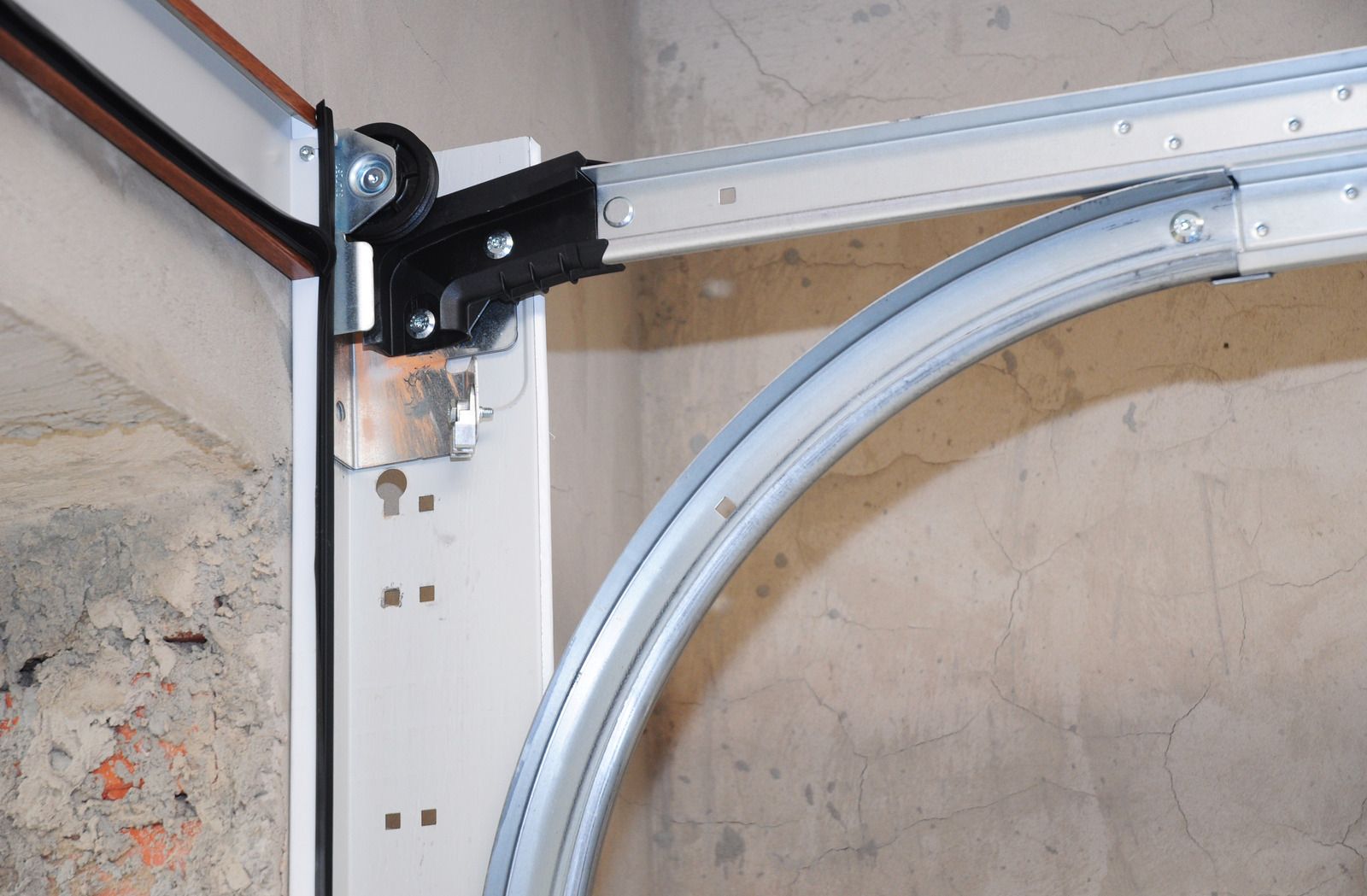
A garage door spring failing without warning is one of the most common mechanical problems homeowners face, yet most people know very little about why it happens. Springs are the backbone of any garage door system. They carry the weight of the door every single time it opens or closes, and that kind of repetitive mechanical stress adds up over time in ways that are not always visible until something goes wrong.
What makes spring failure particularly frustrating is that the signs are almost always there beforehand. A slight change in how the door moves, an unfamiliar sound, or a gap in the spring itself can each signal that failure is approaching. The problem is that most homeowners either do not know what to look for or assume that a functioning door means a healthy one. Understanding the mechanics behind spring wear and learning to read the early warning signs is the difference between a scheduled repair and a sudden breakdown that leaves your vehicle stuck inside.
Why Garage Door Springs Carry Such an Enormous Load
The mechanics of counterbalance
Garage doors are far heavier than they appear. A standard single-car door made of steel typically weighs between 130 and 150 pounds, while a double-car door can exceed 200 pounds. Without springs, the opener motor would have to lift that entire weight on its own, which is something it is not designed to do.
Springs work by storing mechanical energy when the door closes and releasing that energy when the door opens. This counterbalance principle means the opener only needs to guide the door rather than muscle it. When springs are calibrated to match the door weight, the system runs smoothly. When they are worn, mismatched, or failing, every component downstream takes on extra strain.
Torsion vs. extension springs
There are two primary spring types used in residential garage doors.
| Spring Type | Location | How It Works | Common On |
|---|---|---|---|
| Torsion | Above the door, on a metal shaft | Twists and uncoils to lift | Heavier, modern doors |
| Extension | Along the horizontal tracks | Stretches and contracts | Lighter, older doors |
Torsion springs are more durable and offer a more controlled lift. Extension springs are still widely used but tend to wear faster because of the lateral stress they absorb with each cycle.
The Real Reason Springs Break
Cycle fatigue is the primary cause
Every time your garage door opens and closes, that counts as one cycle. A standard residential spring is rated for somewhere between 10,000 and 15,000 cycles. For a household that uses the garage door four times per day, that translates to roughly seven to ten years before the spring reaches the end of its rated life.
Cycle fatigue is not dramatic. Metal does not weaken all at once. It fatigues gradually through microscopic stress fractures that accumulate with each movement. Eventually, one cycle too many causes the spring to snap. This is why springs so often seem to break suddenly with no warning, even though the process has been building for years.
Rust and corrosion accelerate wear
Rust is a significant but underappreciated contributor to spring failure. Garage environments often involve temperature swings, humidity, and moisture exposure. As rust develops along the coils of a torsion spring, it creates friction and reduces the spring's ability to flex without resistance. A corroded spring can fail well before it reaches its rated cycle count simply because the metal is no longer moving the way it was designed to.
Lubricating springs two to three times per year with a lithium-based or silicone spray helps reduce friction and slow corrosion. This is one of the simplest maintenance steps homeowners can take to extend spring life.
Improper spring sizing
Springs must be matched to the exact weight and height of the door they support. A spring that is too light for the door it is lifting will reach cycle fatigue faster because it is constantly operating beyond its design load. Conversely, a spring that is too heavy can create tension problems and affect how the opener engages.
When a spring is replaced with the wrong size, either due to a mistake during a previous repair or an attempt to cut corners, the entire system runs under stress it was never meant to handle.
Cold weather and temperature extremes
Metal contracts in cold temperatures, and garage door springs are no exception. During winter months, springs become less flexible and require more force to move through their range of motion. This is why spring failures tend to spike during cold snaps. If a spring is already near the end of its cycle life, a cold morning can be the trigger that causes it to go.
Warning Signs Your Springs Are Failing
The door moves unevenly or feels heavy
When springs are weakening, the door often becomes harder to operate manually. If you disconnect the opener and try to lift the door by hand, it should rise smoothly and stay in place when released at about waist height. A door that feels heavy, drops back down, or requires significant effort is showing you that the springs are no longer carrying the load they should.
You hear a loud bang from the garage
A snapping torsion spring produces a noise that many homeowners describe as a gunshot or a loud bang coming from inside the garage. This sound is the spring releasing all of its stored tension at once. If you hear this sound and then find that the door will not open, a broken spring is almost certainly the cause.
A visible gap in the torsion spring
Torsion springs sit as a continuous coil along the metal shaft above the door. When one breaks, the coil separates and you will see a gap of one to three inches somewhere along the spring. This is one of the clearest visual indicators and something worth checking if the door is behaving strangely.
The door opens a few inches and then stops
Most modern garage door openers have a built-in load sensor that cuts power if the motor is working too hard. When a spring breaks, the opener suddenly has to pull the full weight of the door. The sensor detects this and stops the door from moving further to prevent motor damage. If your door lifts partway and stops, and the opener seems to be working but the door will not budge, check the spring.
Uneven lifting or one side sagging
On doors that use two extension springs, a single spring breaking will cause one side of the door to drop lower than the other during operation. The door may look tilted, move at an angle, or bind against the tracks. This asymmetrical movement is a sign that the spring balance is off.
How Often Springs Should Be Inspected
Most homeowners never schedule spring inspections because the door keeps working right up until it does not. A basic visual check twice per year takes only a few minutes and can catch corrosion, gaps, or visible coil damage before a failure occurs.
Signs to look for during a self-inspection:
- Rust or discoloration on the spring coils
- Visible separation or gap anywhere in the spring
- Springs that look stretched out or uneven compared to a new spring
- Cables that appear frayed or loose, which often accompany spring wear
Professional inspections go further. A trained technician checks spring tension, measures door balance, inspects the cable drums, and assesses whether the current spring size is still appropriate for the door.
Dependable Garage Door Experts Littleton Homeowners Count On
Garage door springs fail for reasons that are almost always traceable: cycle fatigue, corrosion, improper sizing, or temperature stress. None of these causes happen without warning. The door gets heavier, sounds change, movement becomes uneven, and the spring itself may show visible wear. Recognizing these signals early is what separates a straightforward repair from an urgent situation. Springs are not optional components, and treating them as something to address only after failure creates unnecessary risk for both the door system and the people who use it.
At 5280 Garage Doors, we have spent 20
years working on garage door systems across Littleton, Colorado, and the surrounding communities. We understand spring mechanics at a level that goes beyond simple replacement. When we inspect a door, we assess spring sizing, tension calibration, cable condition, and overall system balance to give you an accurate picture of where things stand. Our work is grounded in real diagnostic experience, not guesswork. Whether we are responding to a spring that has already failed or helping you get ahead of one that is showing wear, we bring the same level of care and technical knowledge to every job. Homeowners in Littleton trust us because we explain what we find, recommend only what is needed, and stand behind the work we do.
FAQs
Can I replace a garage door spring myself?
Spring replacement is not a safe DIY task. Torsion springs store significant mechanical energy under tension, and releasing that energy without proper tools and training has caused serious injuries. This repair should always be handled by a qualified technician.
How long do garage door springs typically last?
Standard springs are rated for 10,000 to 15,000 cycles. For most households, that works out to seven to twelve years depending on how often the door is used each day.
Should both springs be replaced at the same time?
Yes. If your garage door uses two springs and one breaks, the second is usually at a similar point in its lifecycle. Replacing both at once prevents a second failure shortly after the first repair.
What happens if I keep using the door with a broken spring?
Operating a door with a broken spring puts significant stress on the opener motor, the cables, and the drums. Continued use can cause secondary damage that makes the overall repair more involved.
Is there any way to make springs last longer?
Lubricating the springs two to three times per year with a silicone or lithium-based lubricant reduces friction and slows corrosion. Keeping the garage environment as dry as possible and scheduling periodic professional inspections also helps extend spring life.